Hurricane Season Preparedness Starts with Your Trees
Every year from June 1 through November 30, Miami-Dade and Broward County residents face the threat of hurricanes and tropical storms. While you can board up windows and stock supplies, one of the most overlooked — and most dangerous — aspects of storm preparation is your trees.
High-Risk Tree Species in South Florida
Norfolk Island Pine
These tall, narrow trees have shallow root systems and are extremely prone to toppling in strong winds. They're one of the first trees to go down during hurricanes.
Australian Pine (Casuarina)
Although not a true pine, these fast-growing invasive trees have brittle wood and shallow roots. They are notorious for falling during storms and are banned from new planting in many Florida counties.
Ficus (Ficus benjamina)
Large ficus trees develop massive canopies that act as sails in high winds. Their shallow, aggressive root systems can also damage foundations and sidewalks.
Black Olive
While strong, black olive trees can develop heavy, unbalanced canopies if not properly maintained, making them susceptible to branch failure in storms.
Wind-Resistant Trees for Miami
Not all trees are equally vulnerable. Some species handle hurricanes well:
- Live Oak — Deep root system, strong wood, flexible branches
- Royal Palm — Designed by nature to survive hurricanes
- Bald Cypress — Extremely wind-resistant with strong trunk
- Gumbo Limbo — "The tourist tree" is remarkably hurricane-resistant
- Sabal Palm — Florida's state tree is nearly hurricane-proof
Pre-Storm Tree Preparation Checklist
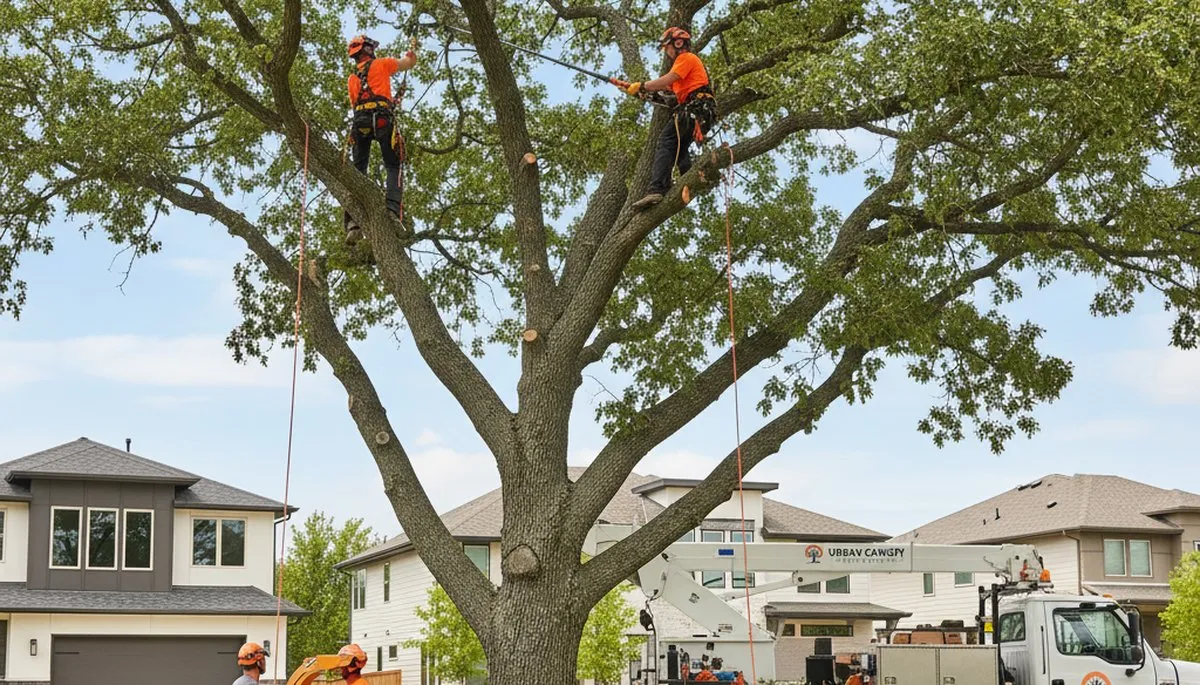
- Get a professional tree assessment well before hurricane season
- Remove dead and dying branches that could become projectiles
- Thin dense canopies to reduce wind resistance
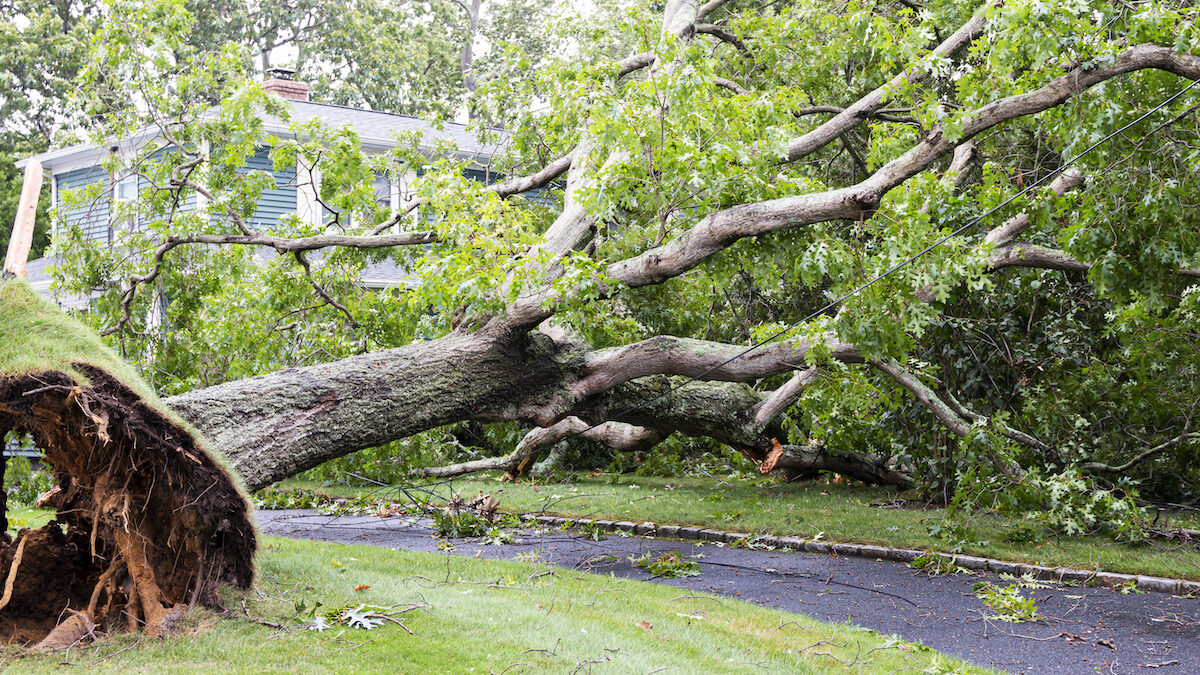
- Remove weak or leaning trees near structures
- Check for root damage especially after previous storms
- Clear debris and loose items from around trees
- Document your trees with photos for insurance purposes
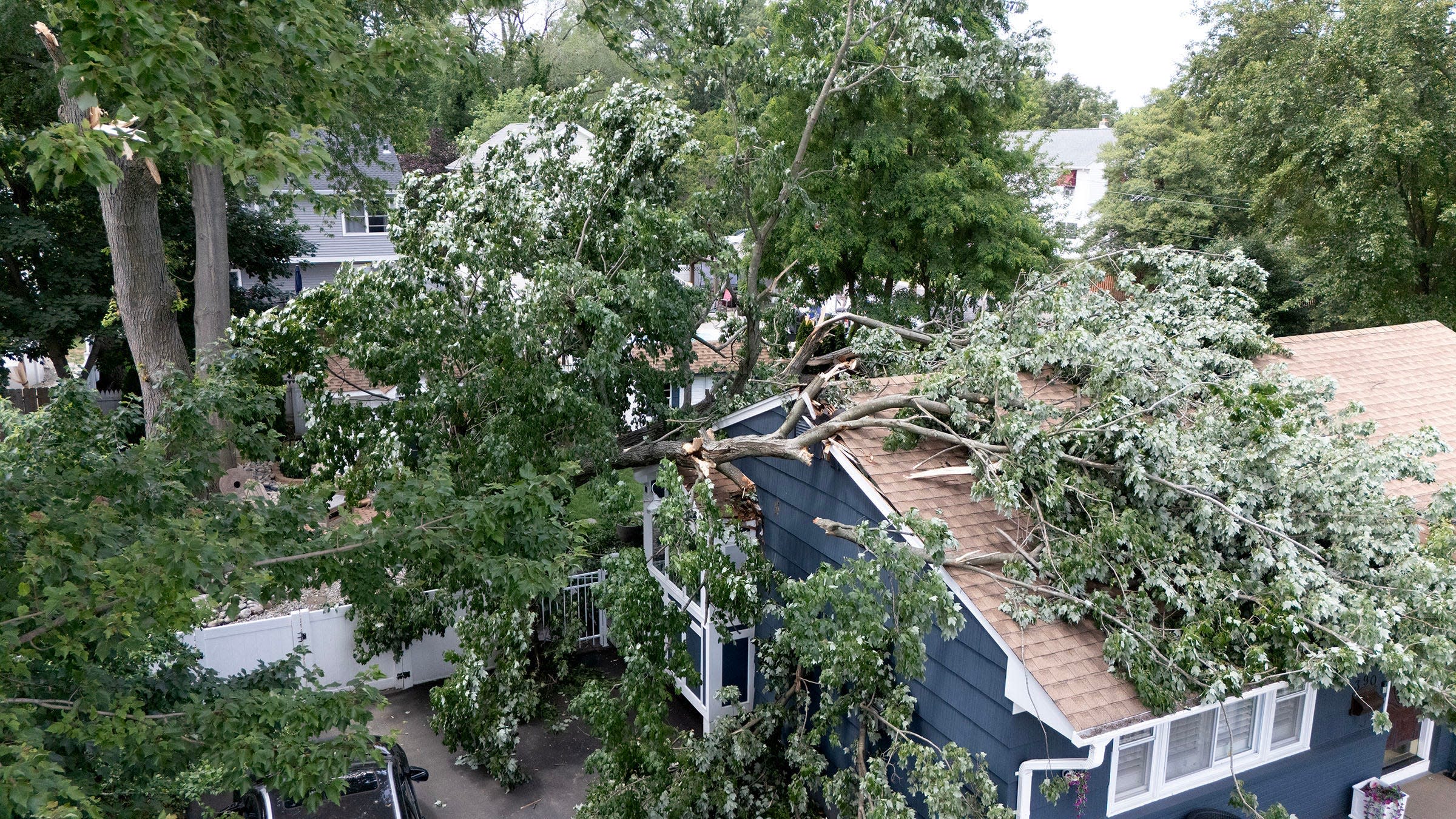
What to Do After a Storm
If a storm damages trees on your property:
- Stay away from downed trees and power lines
- Call your insurance company to report damage
- Call a professional tree service — never attempt to remove fallen trees yourself
- Document everything with photos before cleanup
- Beware of storm chasers — use licensed, insured, reputable companies
MD Rios: Your Storm Season Partner
MD Rios Tree Services provides pre-storm assessments, emergency tree removal, and storm cleanup services throughout Miami-Dade and Broward County. We're available 24/7 during hurricane season.
Prepare before the storm — call 305-244-4228 for a pre-hurricane tree assessment.
Need Professional Help?
MD Rios Tree Services is here to help with all your tree care and landscaping needs across Miami-Dade and Broward County.